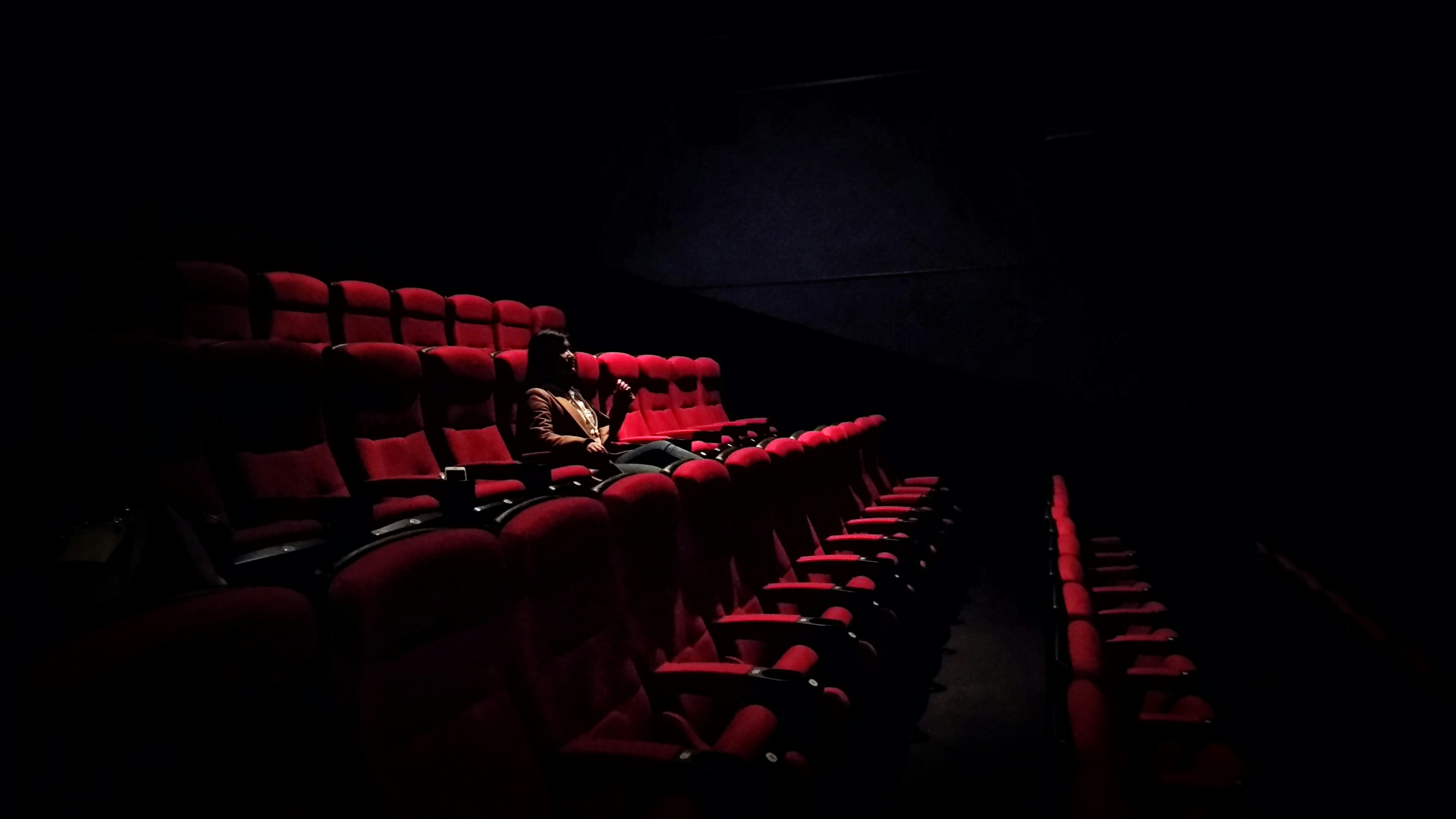
It started at 2 AM,
in a forum thread
about Wong Kar-wai.
March 2021. A single post about In the Mood for Love — its corridors, its slow motion, its absences. By 4 AM, four strangers had written 6,000 words and nobody had checked the time.
That thread became Celluloid. Four members became 12,000. The conversation never stopped.
"Has anyone else noticed that every scene in In the Mood for Love is framed like a memory trying to hold its shape? The slow motion isn't style — it's the mind refusing to let go."
"The corridor. The noodle shop. They keep passing each other in the same tight spaces. Wong Kar-wai is building a grammar — proximity as longing, repetition as grief."
"I've watched this film seven times and I only just clocked that we never see their spouses' faces. They're absences that shape everything. The film is about what isn't shown."
"This thread. It's 4 AM and I genuinely don't want to stop. Can we make this a permanent space? I want to do this for every film I love."
Close Reading · 4,200 words
The Corridor Grammar of In the Mood for Love
How Wong Kar-wai uses architectural constraint to build emotional impossibility — an annotated reading of every spatial decision in the film's 98 minutes.
Written by
Elena Vásquez-Morales
Film editor, former TIFF programmer
Discussion
214 replies
Active now — 23 members reading
Annotated Timeline
The corridor appears for the first time. Notice: camera never enters. We watch from the threshold.
Slow motion activates. From here, every slowed sequence marks a moment the film refuses to release.
The spouses' hands — shown once, then never again. Their faces withheld for 97 minutes.
Nat King Cole's "Quizás, Quizás, Quizás." The film's thesis: perhaps, perhaps, perhaps.
Member Marginalia
"The aspect ratio itself feels like a memory — too tight, cropping what we want to see."
— fixedframe_oslo"Doyle's cinematography makes every frame feel like it's already being remembered."
— aperture_desi"This is a film about the body's memory. The clothes change but the gestures repeat."
— celluloid_mira"The film is not about what is shown. It is about the geometry of what is withheld."
— Elena Vásquez-MoralesRead the full essay as a guest.
No account required. One full analysis, every week, open to all.
The people who never
stop mid-sentence
to check if you're still following.
"I've been a working editor for eleven years. Celluloid is the only place I talk about film without someone asking me to be less intense."

Dominique Achebe
Film Editor, Lagos/London
"The thread on Jeanne Dielman ran for six days. On day four, someone had a genuine breakthrough about duration and domestic labor that changed how I teach."

Prof. Yuki Tanaka
Film Studies, Waseda University
"I dropped out of film school in 2019. Celluloid gave me back the education I was looking for — more rigorous, less institutional."

Mateus Ferreira
Cinematographer, São Paulo
This Week's Discussion
"Stalker and the Grammar of Waiting — Is Duration Itself the Argument?"
Tarkovsky's Stalker runs 163 minutes. The Zone is crossed in 20. What is the film doing with the remaining two hours? This week's reading: time as moral pressure.
312
replies so far
47
members active now
● Live
since Tuesday
The Community Reading List
Sculpting in Time
Andrei Tarkovsky
Hitchcock/Truffaut
François Truffaut
The Cinema of Isolation
Robert Norden
Film as Film
V.F. Perkins
Poetics of Cinema
Raúl Ruiz
The conversation
has been going
since 2 AM.
12,400 members. 3,200 analyses. One rule: say something true about the film, or say nothing at all.
Your first week is free. No credit card. Just an email and the film that changed how you see.
Upcoming Community Screenings — Feb / Mar 2026
Feb 28
Stalker
dir. Tarkovsky
● In progress
Mar 07
Jeanne Dielman
dir. Akerman
Mar 14
Chungking Express
dir. Wong Kar-wai
Mar 21
Mirror
dir. Tarkovsky